
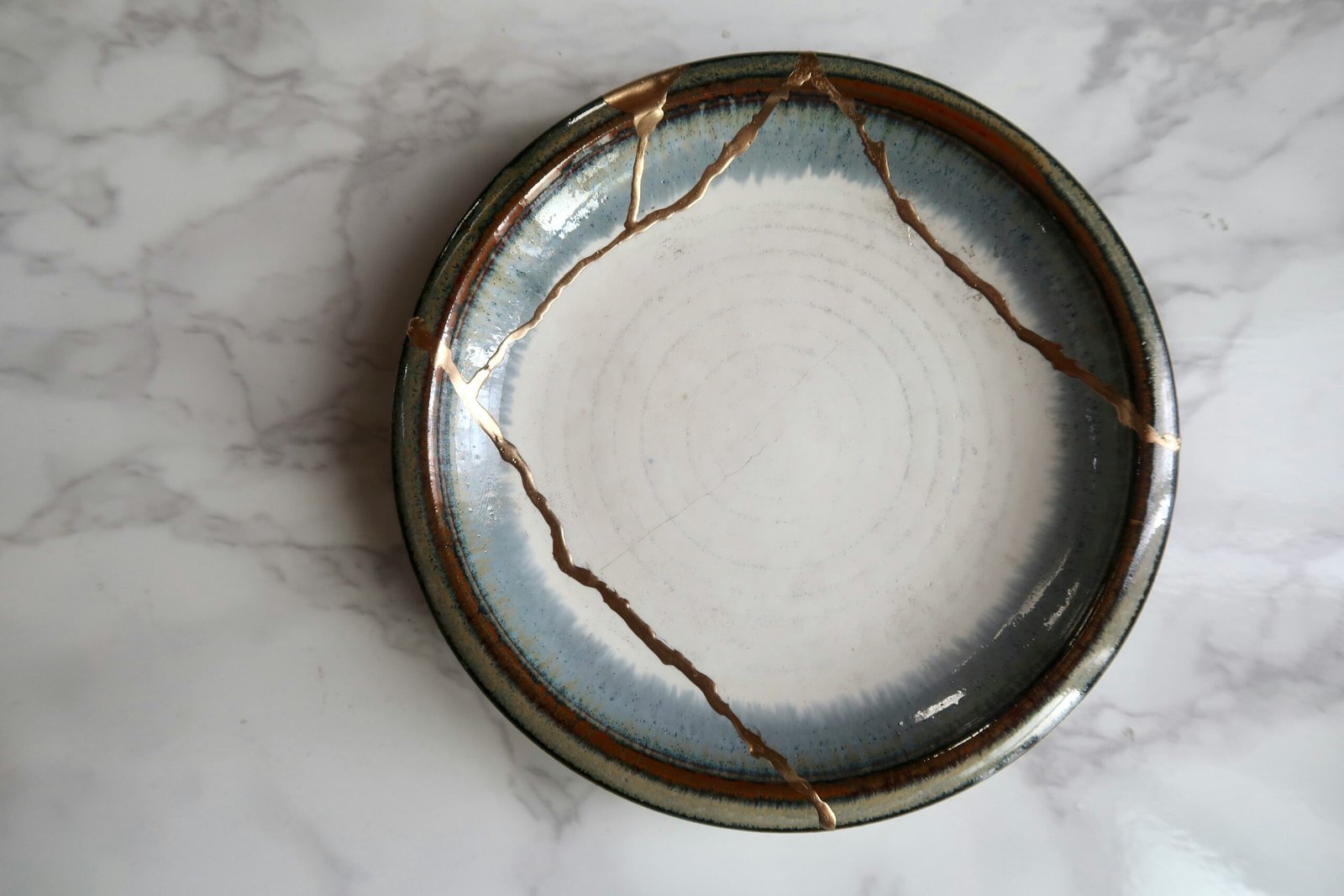
We’ve all been there — a moment with someone we care about where arguments happen, where someone gets hurt, where tempers rise. I see this frequently in my therapeutic work; a conversation gets tense, an old wound opens, or something we didn’t mean suddenly feels deeply hurtful to the person you care about (or vice versa). These moments of disconnection — what we call ruptures — are a normal part of close relationships. What matters most isn’t that rupture and repair happen, but how we move through them.
Rupture and repair refer to the natural cycle of disconnection and reconnection that happens in all close relationships. Rupture can look like misunderstanding, conflict, withdrawal, or emotional distance, while repair is the process of turning back toward one another with intention, curiosity, and care. Over time, it is this repeated experience of rupture – followed by repair – that builds trust, resilience, and deeper connection.
From an Internal Family Systems (IFS) perspective, rupture and repair are not failures of connection. They are opportunities — moments where our inner world and our relationships invite us into deeper awareness, healing, and repair.
Understanding Rupture Through an IFS Lens
IFS teaches that we all have many parts — different inner experiences that hold emotions, beliefs, and protective strategies — as well as a core Self that is calm, compassionate, and curious. When rupture happens in a relationship, it’s usually because a protective part has been activated in response to a perceived threat.
What might look like an overreaction on the surface often makes complete sense when we slow down and get curious about the part that showed up. In my experience, rupture is rarely about the present moment alone; it’s often connected to something much older inside us.
(By the way, if you’re new to this way of understanding the inner world, you can learn more about the basics of IFS here).
From this perspective, rupture is not something to avoid. It’s information — a signal pointing us toward parts that need attention and care.
Why Rupture Is Not the Problem
One of the most important shifts I see when people learn about rupture and repair is this: rupture itself doesn’t damage relationships — un-repaired rupture does. Relationships that allow for rupture and repair often become stronger, safer, and more resilient over time.
IFS-informed relationship work reminds us that:
- Parts that react strongly are usually protecting something vulnerable
- Self energy — not force or logic — is what allows repair to happen
- Repair is both an internal process and a relational one
What Repair Looks Like with IFS
I often remind clients that repair starts inside before it happens between people.
Step 1: I Notice My Parts
Before attempting repair with someone else, I pause and ask myself:
- What part of me is activated right now?
- What is this part afraid of?
- How old does this part feel?
This pause helps me avoid letting a protective part take over the conversation.
Step 2: I Access Self Energy
Repair requires Self leadership. When I’m in Self, I notice that:
- I feel more grounded, even if emotions are present
- I can hold my experience and the other person’s at the same time
- I feel curious rather than defensive
If I’m not there yet, I name that and take space. Pausing is often part of the repair.
Step 3: I Listen Before I Explain
One of the most powerful shifts in rupture and repair is moving from defending to understanding.
Some IFS-informed prompts I use include:
- “Can you help me understand what that brought up for you?”
- “What part of you felt hurt in that moment?”
- “I want to really hear what that felt like for you.”
Listening without interruption communicates safety — not just intellectually, but emotionally.
Step 4: I Acknowledge Impact (Even Though it’s not my Intention)
Repair isn’t about proving intent; it’s about acknowledging impact.
I might say:
- “I see how that landed for you, even though that wasn’t my intention.”
- “I understand why that felt painful.”
- “I can see how that touched something old.”
This step is often where injured parts begin to soften.
Step 5: I Offer a Repairing Response
True repair includes accountability and future intention.
Some IFS-based repair language I use or offer clients includes:
- “I’m sorry — I was coming from a protective part, not my Self.”
- “Next time I notice that part showing up, I’m going to pause instead of reacting.”
- “What would help you feel safer with me right now?”
Repair with Children
When it comes to rupture and repair with children, I often remind parents that kids don’t need perfection — they need repair. Each time we repair after a rupture, we teach children that relationships can stretch without breaking.
Some repair language I encourage parents to try:
- “That was my frustrated part — it wasn’t your fault.”
- “I’m sorry I raised my voice. You didn’t deserve that.”
- “We’re okay. Our relationship is safe.”
You can read more about IFS-informed parenting here.
Why Rupture and Repair Build Trust
Over time, consistent repair changes expectations — internally and relationally. Our parts learn they don’t need to work so hard to protect us, and our relationships begin to feel safer and more flexible.
When rupture and repair become familiar, conflict feels less threatening because reconnection feels possible.
For further reading on embodied repair in relationships:
A Reframing of Rupture in Relationships
Rupture is not a sign that something is wrong — it is a sign that something meaningful is happening. Repair is where healing lives. Each moment of rupture and repair invites us to lead with Self, respond with compassion, and deepen connection, rather than withdraw from it.
If you’re curious about how IFS-informed therapy can support you, your relationships, or your family, check out our IFS-trained therapists to learn more about how we can support you.